
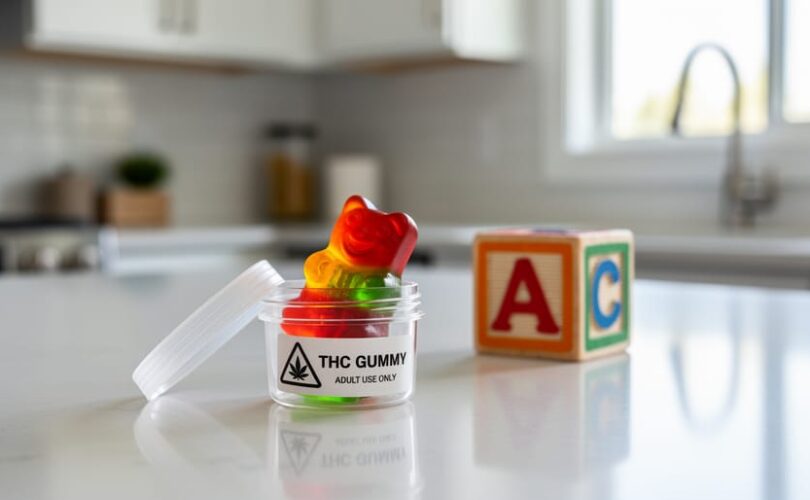
Hemp-derived THC gummies pose serious, preventable risks to children. Despite being legally sold in many states following the 2018 Farm Bill’s removal of hemp from federal controlled substances, these THC gummies are not safe for kids and should never be considered harmless simply because they’re accessible or marketed as “natural.” The FDA has issued explicit warnings about accidental ingestion by children, and we’re seeing emergency room visits climb as brightly colored, candy-like products enter homes without adequate safeguards.
The confusion is understandable. Products labeled as hemp-derived, containing delta-8 or delta-9 THC at concentrations below 0.3%, occupy a murky legal space that makes them widely available in gas stations, online retailers, and even mainstream stores. But legal status has nothing to do with whether a substance is appropriate or safe for developing brains. Many states, including Texas, prohibit sales to anyone under 21, precisely because of known harms.
If you’re a parent or caregiver, you need clear information rooted in evidence and compassion, not judgment. This article walks you through the real risks these products pose to children’s physical and mental health, explains why rigorous safety studies remain scarce, offers trauma-informed strategies to prevent accidental exposure, and outlines exactly what to do if a child consumes THC. Your child’s wellbeing depends on informed, protective action, not on assumptions that “legal equals safe.”
Understanding Hemp-Derived THC Products
Hemp-derived THC products have flooded the market in recent years, creating confusion for parents who see gummies, candies, and beverages labeled as “hemp” sitting on gas station shelves and online storefronts. Understanding what these products actually contain is the first step in protecting your children.
The key difference between hemp-derived and marijuana-derived THC isn’t about the chemical itself or how it affects the body. Both come from cannabis plants and contain the same psychoactive compound that causes intoxication. The distinction is purely legal, based on a technicality in federal law.
The Agriculture Improvement Act of 2018 removed hemp from the federal controlled substances list, defining it as cannabis with no more than 0.3% delta-9 THC by dry weight. This created a loophole that manufacturers quickly exploited. They found ways to extract or synthesize THC compounds from legal hemp plants, then concentrate them into products that contain far more than 0.3% THC by the time they reach consumers. A single gummy might pack 10, 25, or even 50 milligrams of THC, despite being derived from plants that technically qualified as “hemp” under federal standards.
- Hemp
- Cannabis sativa L. plants containing no more than 0.3% delta-9 THC by dry weight, legally distinguished from marijuana but botanically the same species.
- Delta-9 THC
- The primary psychoactive compound in cannabis that causes intoxication, impairment, and the “high” associated with marijuana use.
- Delta-8 THC
- A chemically similar compound to delta-9 that also causes intoxication and is often synthesized from CBD extracted from hemp plants.
- CBD
- Cannabidiol, a non-intoxicating compound found in cannabis that does not produce a high but is sometimes confused with THC products.
- Consumable Hemp Products
- Foods, beverages, supplements, or other items containing hemp or hemp-derived cannabinoids like CBD or THC that are intended for human consumption.
This legal classification has allowed these products to bypass many of the restrictions placed on marijuana, making them widely available even in states where marijuana remains illegal. Stores can sell them without the licensing requirements, testing standards, or age verification systems that regulated marijuana dispensaries must follow.
The critical point parents need to understand is this: “hemp-derived” on a label doesn’t mean safe, mild, or appropriate for anyone in your household. These products contain real THC that intoxicates and impairs just like marijuana. The FDA warns consumers about the accidental ingestion by children of food products containing THC, regardless of their hemp-derived status. When your child encounters these gummies, their body doesn’t care about the legal definition of the source plant.
The Reality of THC Effects on Children’s Developing Brains
Children’s brains are fundamentally different from adult brains. They’re still growing, forming connections, and developing critical abilities that will serve them throughout life. This ongoing development makes children uniquely vulnerable to substances like THC, which can interfere with natural brain maturation in ways that adults simply don’t experience.
THC works by binding to cannabinoid receptors throughout the brain and body. In children, these receptors play essential roles in brain development, including the formation of neural pathways that control memory, attention, problem-solving, and emotional responses. When THC floods these receptors, it disrupts processes that are meant to unfold naturally over years. The younger the child, the more active these developmental processes are, and the greater the potential for disruption.
Even small amounts of THC can have serious immediate effects on children. They may experience extreme drowsiness, confusion, difficulty coordinating movements, rapid heart rate, or severe anxiety. Because their bodies are smaller and their brains are more sensitive to the compound, children often have much stronger reactions than adults would to the same dose. What might produce mild relaxation in an adult can cause a frightening, disorienting experience for a child.
The long-term concerns are equally serious. Research suggests that THC exposure during critical developmental periods may affect cognitive abilities like learning and memory. Children exposed to cannabis products may face challenges with attention, impulse control, and emotional regulation that persist well beyond the immediate effects of the substance. These aren’t theoretical risks. They’re patterns observed in studies of adolescent cannabis use, and experts believe younger children face even greater vulnerability.
Here’s a critical gap: few rigorous studies inform the dosing, safety, and efficacy of cannabis in pediatric clinical practice, as the FDA has noted. We simply don’t have adequate research to understand the full scope of how these products affect children at different ages and developmental stages. This absence of evidence isn’t reassurance. It’s a warning that we’re operating without the safety information parents need and deserve when it comes to protecting their children’s developing brains.
Why These Products Are Especially Dangerous for Kids
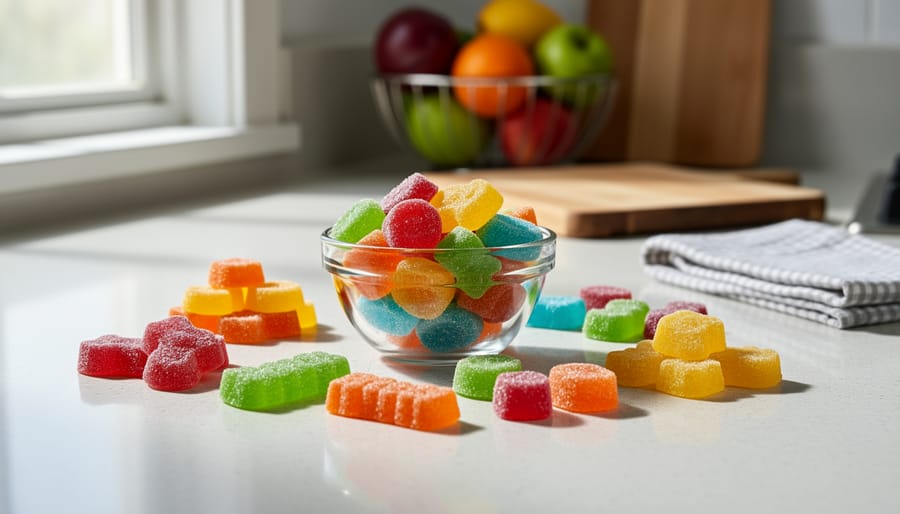
Hemp-derived THC gummies pose unique dangers to children that go beyond the substance itself. These products are designed to look, smell, and taste exactly like regular candy, bright colors, fruit flavors, chewy texture. A child can’t tell the difference between a THC gummy and a vitamin or treat from their lunch box. This isn’t accidental. Many products mimic popular candy brands so closely that the FDA warns about accidental ingestion and has taken enforcement action against companies selling copycat food products that directly appeal to children.
The concentration issue makes things worse. A single gummy might contain 5, 10, or even 25 milligrams of THC, doses that would overwhelm a child’s system. Adults using these products understand dosing and can recognize when something feels wrong. Children have no frame of reference. They might eat several gummies thinking they’re candy, unaware they’re consuming a substance that will dramatically alter how they feel within the hour.
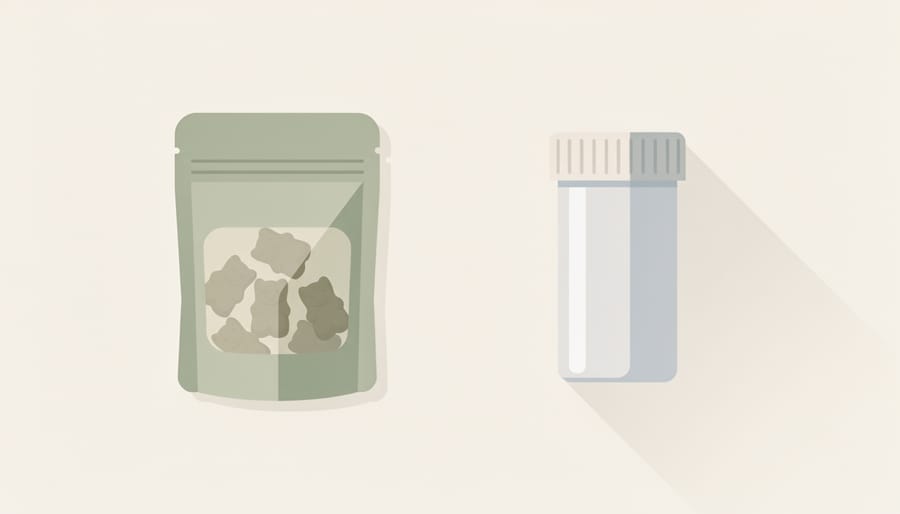
Packaging often fails to protect children adequately. While some products use child-resistant containers, others sit on store shelves in simple plastic bags or jars that any curious kid could open. The bright packaging with cartoon imagery sends the message that these are fun treats, not substances requiring caution.
Children also can’t recognize or communicate symptoms effectively. A young child experiencing confusion, dizziness, or frightening changes in perception may not connect these feelings to something they ate. They might hide symptoms out of fear they did something wrong, delaying the help they need.
From a trauma-informed perspective, we recognize that accidental THC exposure creates distress for the whole family. The child experiences frightening physical sensations they don’t understand. Parents face guilt, fear, and the challenge of navigating an emergency while keeping their child calm. This isn’t about assigning blame, it’s about acknowledging real harm and taking steps to prevent it.
What Happens When a Child Ingests THC Gummies
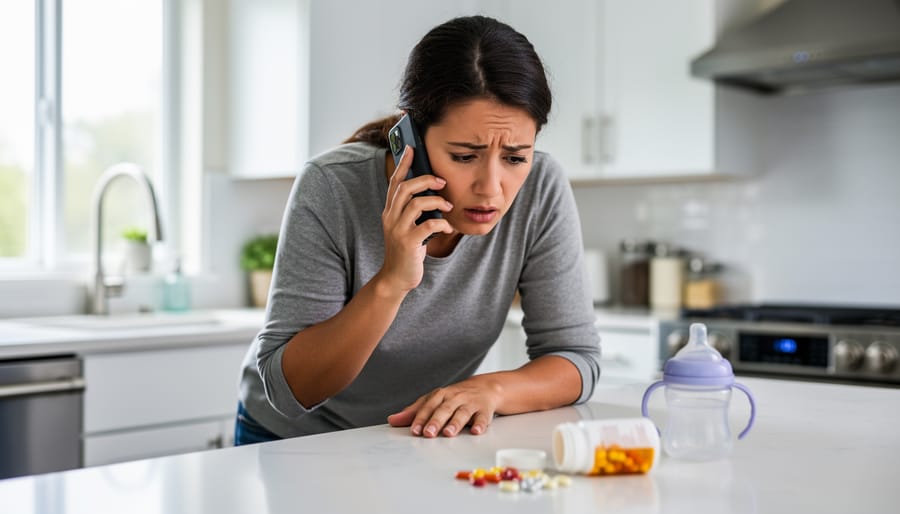
If a child accidentally eats THC gummies, the effects can be frightening for both child and parent, but knowing what to watch for helps you respond quickly and calmly. Symptoms typically appear within 30 minutes to 2 hours after ingestion, though timing varies based on whether the child has eaten recently and how much was consumed.
You might first notice your child becoming unusually drowsy or difficult to wake. Confusion and disorientation are common, your child may seem “out of it,” have trouble following simple instructions, or not recognize familiar surroundings. Loss of coordination often follows: stumbling, difficulty walking, or inability to maintain balance. Some children experience a rapid heart rate that you can feel by gently placing your hand on their chest, along with anxiety or agitation that seems out of character.
Nausea and vomiting occur frequently, and younger children especially may struggle to communicate how they’re feeling. In more serious cases, breathing may become slow or labored, pupils may appear dilated, and extreme drowsiness can progress toward unresponsiveness. These symptoms can last several hours, sometimes extending beyond what you’d expect from the amount ingested.
This situation is a medical emergency requiring professional assessment, not a reflection of your parenting. Healthcare providers understand that accidents happen, especially when products look identical to candy. Their focus is entirely on your child’s safety and recovery, not on judgment. The trauma-informed approach recognizes that both you and your child need support during this frightening experience.
Time can feel slow when you’re worried, but symptoms do resolve. Medical professionals can monitor your child, provide supportive care, and ensure they recover safely. What matters most is acting quickly and getting the help your child needs.
Legal Status Doesn’t Equal Safety
One of the most dangerous assumptions parents make is that if something is legally sold in stores, it must be safe for everyone in their household. With hemp-derived THC gummies, this couldn’t be further from the truth.
The 2018 Agriculture Improvement Act created a legal pathway for hemp products by removing hemp from the federal controlled substances list. This has led to widespread availability of THC-containing gummies in gas stations, convenience stores, and online retailers. But legal access for adults doesn’t mean these products are safe, appropriate, or tested for children’s consumption.
State regulations attempt to address safety concerns, though significant gaps remain. In Texas, for example, the law prohibits selling consumable hemp products to anyone under 21 and defines hemp as cannabis with no more than 0.3% delta-9 THC by dry weight. While this age restriction is important, it doesn’t prevent products from entering homes where children live or visit. These regulations also don’t address the concentrated nature of extracted cannabinoids in gummies, which can deliver far more THC than the plant material percentage suggests.
Regulatory agencies have recognized the consumer protection concerns. The FDA has specifically warned about accidental ingestion by children of THC-containing food products. In July 2024, the FDA and FTC continued joint enforcement efforts against companies illegally selling copycat delta-8 THC food products that mimic familiar snacks and candies.
The reality is that regulatory frameworks are still catching up to a rapidly evolving market. Few rigorous studies exist to inform safe pediatric dosing or efficacy, yet products remain widely accessible. For families, this means the responsibility for protecting children falls squarely on your shoulders, regardless of what’s legally permitted on store shelves.
Creating a Safe Home Environment
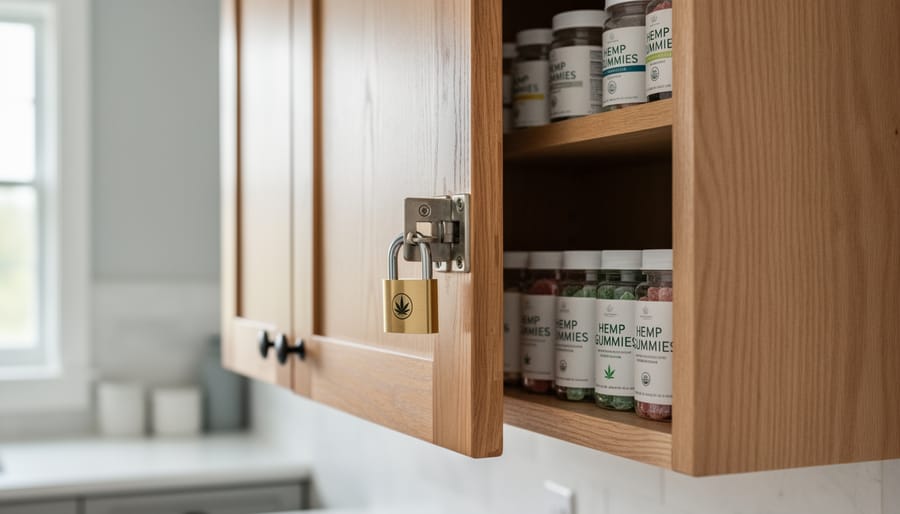
Protecting children starts with treating hemp-derived THC products exactly like prescription medications or any substance that poses risk. These aren’t casual items to tuck in a drawer or leave on a nightstand.
Store all THC-containing products in a locked cabinet or lockbox, preferably high and out of sight. Child-resistant packaging isn’t childproof, and appealing gummy shapes can tempt even older children who understand they shouldn’t touch them. Keep products in their original containers so you know exactly what they are and can provide accurate information in an emergency. If you have visitors who use these products, respectfully ask them to secure items in their bags or vehicles during their stay.
Having age-appropriate conversations with your children builds understanding without creating unnecessary fear. For younger children, a simple “These are medicine for grown-ups only, and they can make kids very sick” works well. Older children benefit from honest discussions about why products that look like candy can be dangerous, what to do if they see them at a friend’s house (tell a trusted adult), and how to talk about substances they might encounter as they grow.
Consider this practical home safety protocol:
- Secure all THC products in a locked location and maintain an inventory list with product names and quantities
- Check storage weekly to ensure nothing has been moved or accessed
- Talk with your child about household safety rules using language that matches their developmental stage
- Coordinate with other caregivers, family members, and regular visitors about your household safety expectations
- Keep poison control information easily accessible and program the number into your phone
Different families will approach these conversations in ways that reflect their values and communication styles. Some families prefer direct, matter-of-fact discussions. Others weave safety lessons into daily routines and teachable moments. What matters is consistency and follow-through, not a single perfect conversation.
When children have strong self-regulation skills and understand body safety, they’re better equipped to recognize when something doesn’t feel right and seek adult help. Tools like therapy toys and sensory regulation activities can help children develop the emotional awareness and impulse control that support overall safety decision-making.
Model the boundaries you want your children to learn. If you choose to use these products, do so privately and store them immediately afterward. Children notice more than we realize about adult behavior and safety practices.
Supporting Your Child’s Mental Health Without Cannabis Products
When your child struggles with anxiety, sleep difficulties, or other mental health challenges, the desire to help them feel better is natural and profound. You might have heard about cannabis products marketed for these issues and wondered if they could offer relief. It’s important to know that despite marketing claims, there are few rigorous studies to inform the dosing, safety, and efficacy of cannabis used in pediatric clinical practice. The Canadian Paediatric Society published a position statement in October 2023 making clear that current evidence does not support cannabis use for children’s mental health conditions.
The good news is that effective, evidence-based approaches do exist for supporting children’s emotional wellbeing. Trauma-informed therapy helps children process difficult experiences and develop healthy coping strategies in a safe, supportive environment. This approach recognizes that behavior and symptoms often reflect underlying needs rather than character flaws. Occupational therapy can address sensory processing challenges, executive function difficulties, and daily living skills that affect emotional regulation.
Family-based support matters tremendously. Children benefit when caregivers learn strategies alongside them, creating consistency between therapy sessions and home life. Teaching age-appropriate coping skills like deep breathing, naming emotions, physical movement, and creating calm-down spaces gives children tools they can use independently. These skills build resilience that serves them throughout life.
Sometimes medication prescribed by qualified pediatric healthcare providers becomes part of a comprehensive treatment plan. This decision should always involve thorough evaluation, ongoing monitoring, and consideration of both benefits and risks specific to your child’s situation.
Working with mental health professionals who understand child development and use culturally competent, family-centered approaches means your child receives care tailored to their unique needs. These evidence-based treatments have been studied extensively in children, unlike cannabis products, giving you confidence that you’re choosing safety alongside effectiveness.
When to Seek Professional Support
Reaching out for professional guidance is one of the most responsible steps a parent or caregiver can take. If your child has ingested a hemp-derived THC gummy, or you suspect they may have, contact your pediatrician or Poison Control immediately. This isn’t about judgment; it’s about getting your child the care they need.
Professional support can also help in situations that feel less urgent but equally important. If you have questions about keeping your home safe from accidental exposure, a family therapist or pediatrician can provide practical strategies tailored to your household. When children start asking about cannabis products they’ve seen in stores or heard about from peers, working with a trauma-informed therapist helps you navigate these conversations in age-appropriate, honest ways that build trust rather than fear.
Sometimes the concern extends beyond the child. If you’re using hemp-derived products yourself and worry about how this affects your parenting or your child’s safety, that awareness shows strength. Asking for help protects both you and your family. Therapy services that specialize in supporting families understand these complexities without shame or criticism.
The goal of seeking support isn’t to prove you’re a perfect parent, it’s to ensure your child’s wellbeing and to give yourself the tools you need. Trauma-informed child therapy approaches recognize that families face real challenges in complicated circumstances. You’re not alone in navigating these questions, and reaching out demonstrates exactly the kind of protective, thoughtful parenting your child deserves.
Hemp-derived THC gummies are never safe or appropriate for children, regardless of what their legal status might suggest. If you take away one message from this article, let it be this: these products deserve the same careful handling and storage as prescription medications, household chemicals, or any other substance that can harm your child.
Protecting your family starts with simple, practical steps. Store these products securely and out of reach. Have open, age-appropriate conversations with your children about why these aren’t candy and what makes them different. Talk with them about what to do if they encounter these products at a friend’s house or elsewhere. These conversations don’t need to be scary or complicated, just honest and clear.
If you’re concerned about your child’s mental health, anxiety, or sleep difficulties, know that evidence-based support exists. Trauma-informed therapy, family counseling, and developmentally appropriate coping strategies can make a real difference. You don’t need to navigate these challenges alone or turn to unproven substances that carry serious risks.
If accidental ingestion has occurred, if you have questions about keeping your home safe, or if you’re struggling with how to talk to your child about these products, reaching out for professional support is a sign of strength and responsible parenting. The resources exist to help families like yours, families who care deeply about protecting their children while creating a safe, supportive home environment. You are not alone in this.